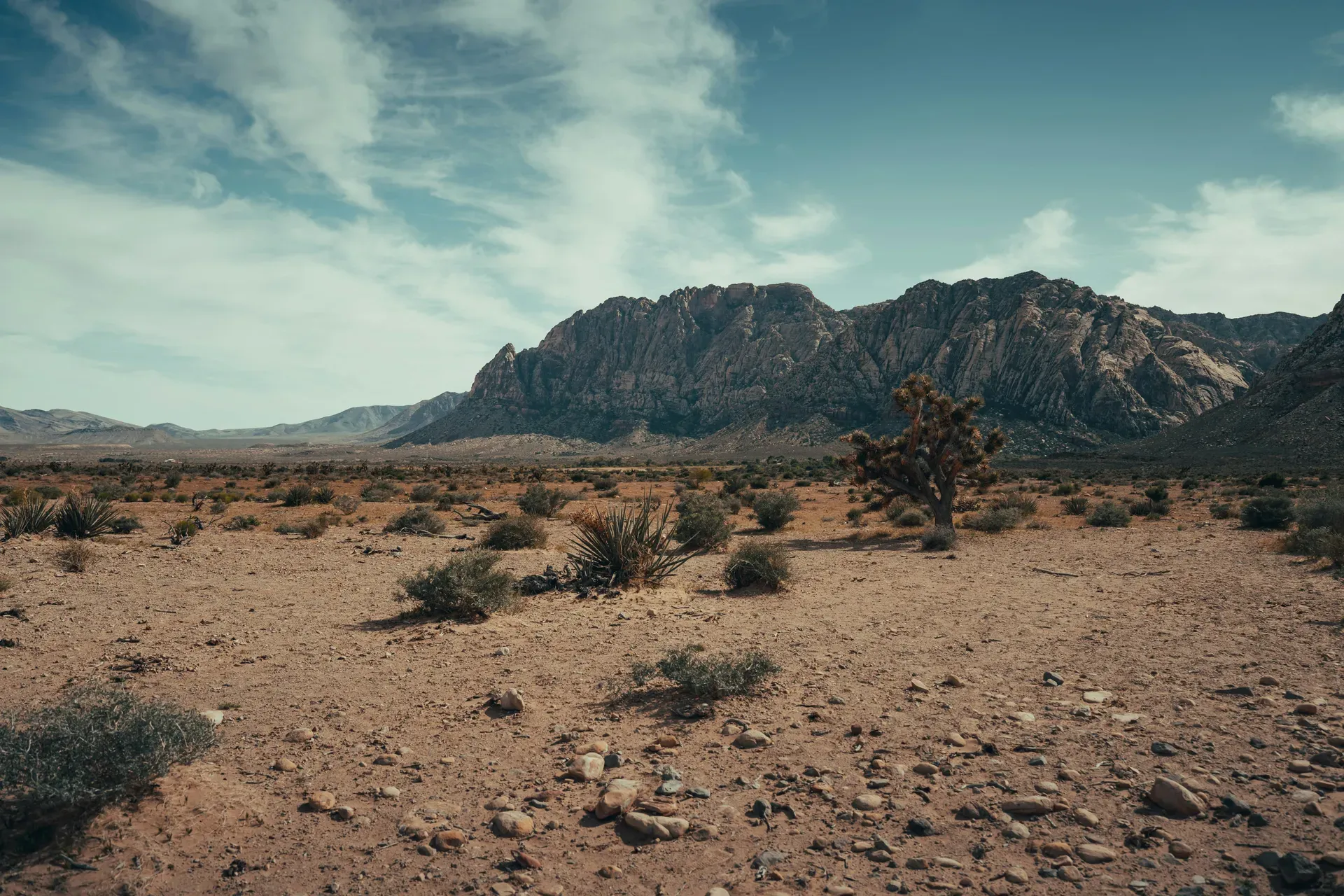
Spanning 54,000 square miles across the American Southwest, this arid landscape contains geological features ranging from 650-foot-tall singing sand dunes to illuminated underground lava tubes. Hikers can scale the vertical rock walls of Banshee Canyon using mounted metal rings or walk among dense forests of endemic Joshua trees.
Find Guided ToursThe Mojave Desert spans 54,000 square miles across southeastern California, southern Nevada, and parts of Arizona and Utah. Colloquially known as the "high desert," most of this arid region sits at elevations between 2,000 and 4,000 feet. It features a classic basin and range topography characterized by parallel mountain ranges, sweeping valleys, and salt flats. Despite its high average elevation, the desert also contains Death Valley, the lowest point in North America.
Situated in the rain shadow of the southern Sierra Nevada and Transverse Ranges, the Mojave preserves a diverse mosaic of ecological habitats. It supports endemic species found nowhere else, including the iconic Joshua tree and the threatened desert tortoise. Beyond its ecological value, the region serves as a critical training location for the U.S. Department of Defense and frequently provides the backdrop for major motion pictures.
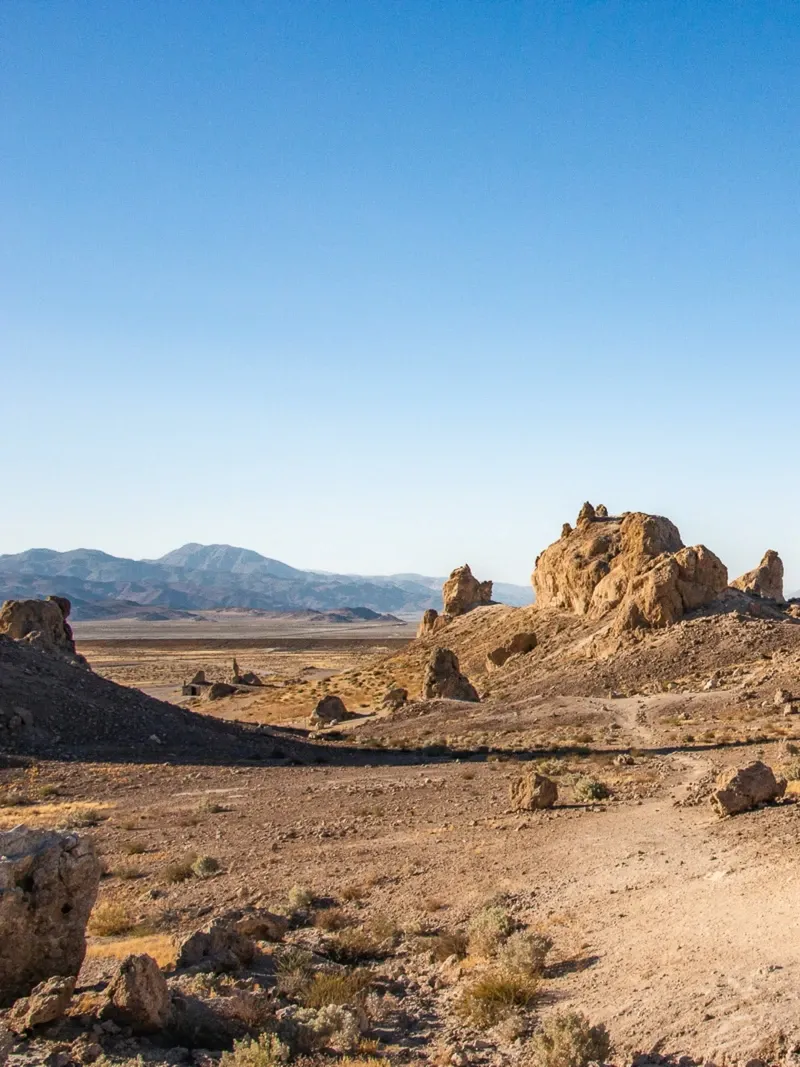
The physical foundation of the Mojave is rooted in a complex geological past. Ancient seas once covered the area, leaving behind carbonate-rich sedimentary rock sections that measure up to 10 kilometers thick. The oldest of these sedimentary deposits date back over a billion years. Around 250 million years ago, tectonic activity began folding and shaping these massive rock layers into the rugged landscape visible today.
Human habitation in the Mojave dates back over 11,000 years, beginning with Paleo-Indians and followed by tribes like the Chemehuevi, Shoshone, Southern Paiute, and Mojave. Spanish explorer Juan de Oñate encountered the Mohave people in 1604, and Franciscan missionary Father Francisco Garcés later documented their traditional way of life in the 1700s. Over the last century, gold miners, ranchers, and settlers seeking wealth established transit corridors like the historic Mojave Road across the arid terrain.
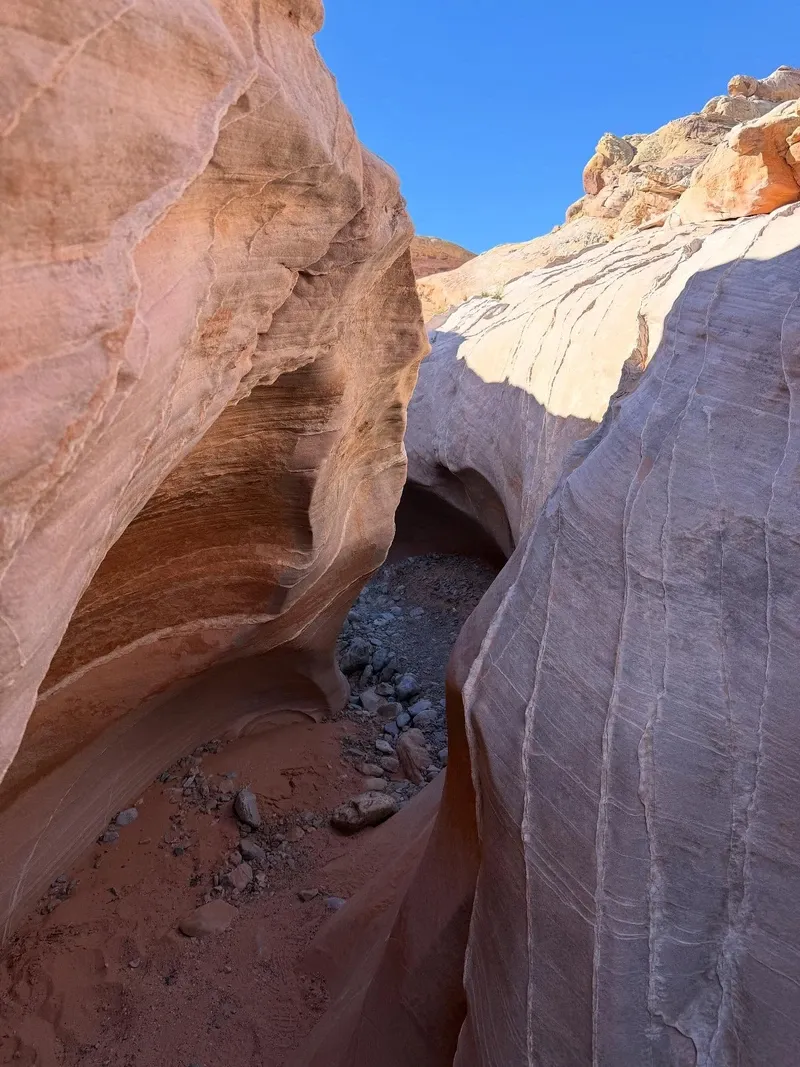
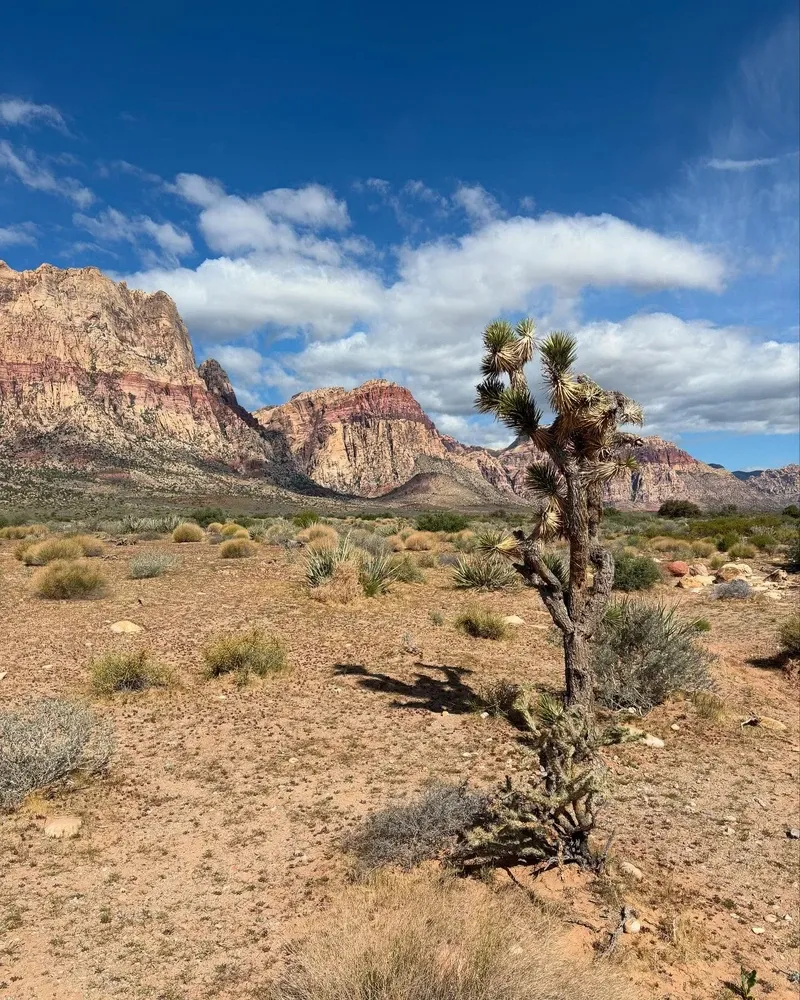
Discover the full history and cultural significance on our About page.
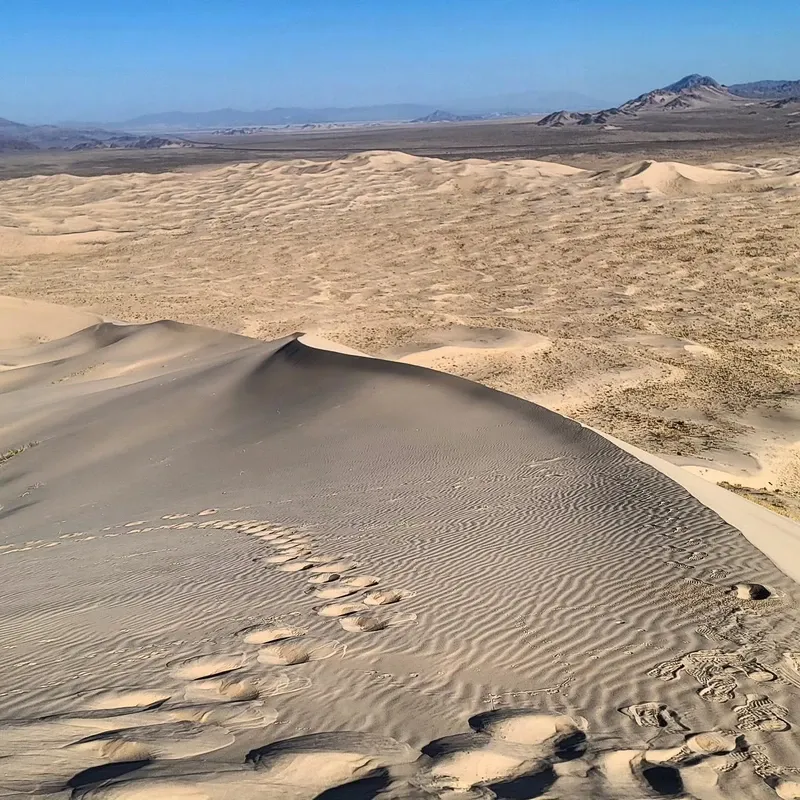
Hike up massive, golden sand slopes that rise 650 feet above the desert floor. As you slide down the steep inclines, listen closely to the cascading sand. This remarkably rare phenomenon produces a distinct moaning sound, giving the towering formations their reputation as singing dunes.
Navigate the narrow passages of Banshee Canyon by climbing directly up vertical rock faces using a series of mounted metal rings. Towering walls surround the route. They are completely covered in dramatic, wind-eroded holes that give this rugged, otherworldly landscape its literal name.
Descend into a dark, underground volcanic cave located within the Cinder Cones National Natural Landmark. Once inside the formation, a spectacular single beam of sunlight pierces through a natural hole in the ceiling. This brightly illuminates the dusty air and the surrounding dark basalt walls.
Walk through underground limestone formations inside the Providence Mountains State Recreation Area. Intricate stalactites and stalagmites fill these historic caves, showcasing a complex geological history. The surrounding desert features ancient folded sedimentary rock sections that reach up to 10 kilometers thick, with deposits dating back over a billion years.
Hand-picked tours with free cancellation and verified reviews
 4h
4h  3h
3h  Free Cancellation 4h
  4h
4h  Free Cancellation
  Likely to Sell Out 3h
  6h
6h  Free Cancellation 5h
 The ideal times to visit the Mojave Desert are late spring and autumn when daytime temperatures are mild. These seasons provide safe conditions for hiking and avoid the dangerous summer heat.
Late spring provides mild, bearable temperatures ideal for hiking without extreme heat. This season also brings spectacular wildflower blooms that carpet the desert floor, dunes, and hillsides.
Summer conditions are extremely dangerous, with temperatures frequently exceeding 110°F (43°C). The intense heat creates severe risks of heatstroke and dehydration, making outdoor activities unsafe.
Autumn offers mild and bearable daytime weather that is perfect for exploring the vast landscape. Visitors should pack warm layers, as temperatures drop drastically after sunset.
Winter brings challenging conditions with nighttime temperatures dropping near freezing. Infrequent snows can sparkle on the mountains and occasionally make roads in higher elevations completely impassable.
All outdoor areas within the Mojave National Preserve, including roads, trails, and campgrounds, remain open 24 hours a day, 365 days a year. Access is only restricted when adverse weather conditions cause road closures. The Kelso Depot Visitor Center is currently closed for renovations. Visitors seeking information can stop by the Headquarters Information Center in Barstow, which operates Monday through Friday from 8:00 am to 4:30 pm.
| Category | Price |
|---|---|
| General Entrance | Free |
| Group Recreation & Filming Permit Application | $91.00 |
| Special Events Permit | $128.00 |
Although there is no entrance fee for the Mojave National Preserve, camping fees and reservations are required at Hole-In-The-Wall, Mid-Hills, Group, and Equestrian campgrounds. Any group exceeding 7 vehicles or 25 people must secure a special park use permit at least four weeks prior to arrival.
For complete schedules and ticket prices, visit our Hours & Fees page.
The Mojave Desert is accessible by traveling 85 km east from Bakersfield. Visitors can reach the region using a personal vehicle or by taking a direct commercial bus.
Visitors can rent a car in Bakersfield and drive east toward the Mojave Desert. This 85 km route provides clear views of the shifting California landscape. A personal vehicle is essential for navigating the highly spread-out attractions across the 1.6-million-acre preserve. Drivers must fill their gas tanks completely before entering, as the area contains zero fuel stations.
Greyhound and FlixBus operate affordable commercial routes connecting Bakersfield directly to the town of Mojave. The bus covers the 85 km distance and terminates at the local Carl's Jr. station. Passengers benefit from practical onboard amenities during the transit, including free Wi-Fi, electrical power outlets, and a standard carry-on bag allowance.
For detailed transport options and routes, visit our Directions page.
The 1.6-million-acre Mojave National Preserve contains absolutely zero gas stations. Running out of fuel in this remote landscape poses a severe safety risk due to the lack of services. You must fill your tank completely in surrounding towns like Baker, Fenner, or Needles prior to arrival. Always check your vehicle's roadworthiness before heading out.
Cell phone service is completely non-existent across the vast majority of the 54,000-square-mile desert region. Smartphone mapping applications are highly unreliable for navigating remote trails. Bring a physical paper map, a compass, or a dedicated off-road GPS device. Always inform a reliable contact person about your exact itinerary before losing signal.
Summer temperatures frequently exceed 110°F (43°C), creating a severe risk of heatstroke. You must carry at least one gallon of water per person, per day. Add plenty of salty snacks to your pack to replace essential electrolytes lost through sweating. Start hikes early in the morning to avoid peak heat.
Desert temperatures cool down drastically after sunset and heat up rapidly in the morning. Winter nights can frequently plunge to near-freezing levels. Pack multiple clothing layers, including a light jacket or hoodie, regardless of the daytime forecast. Sturdy closed-toe shoes are also essential to protect your feet from rough terrain.
The maximum group size allowed without a special permit is 7 vehicles or 25 people. Off-road vehicles like UTVs, ATVs, and non-street-legal dirt bikes are strictly prohibited. All vehicles must be street-legal under California laws, as out-of-state OHV stickers are not recognized. Ensure your transport meets these strict federal requirements.
Cutting or collecting any natural wood, including downed branches, is strictly prohibited by federal law to protect the ecosystem. If you plan to have a campfire, you must bring all your own firewood from outside the park. Campfires are only permitted in established campground fire rings or by using a portable firepan.
This renowned national park features massive rock formations and twisted Joshua trees. Visitors can observe distinct desert ecosystems, stargaze under exceptionally clear skies, and rock climb across the surreal landscape.
This massive desert oasis sustains over 26 endemic species of plants and animals. Visitors can walk the wheelchair-accessible Crystal Boardwalk to spot rare pupfish in the turquoise Crystal Spring.
An extinct cinder cone volcano rises symmetrically from a vast, dark basalt lava field. Hikers can trek directly across the rugged lava flow and climb into the crater itself.
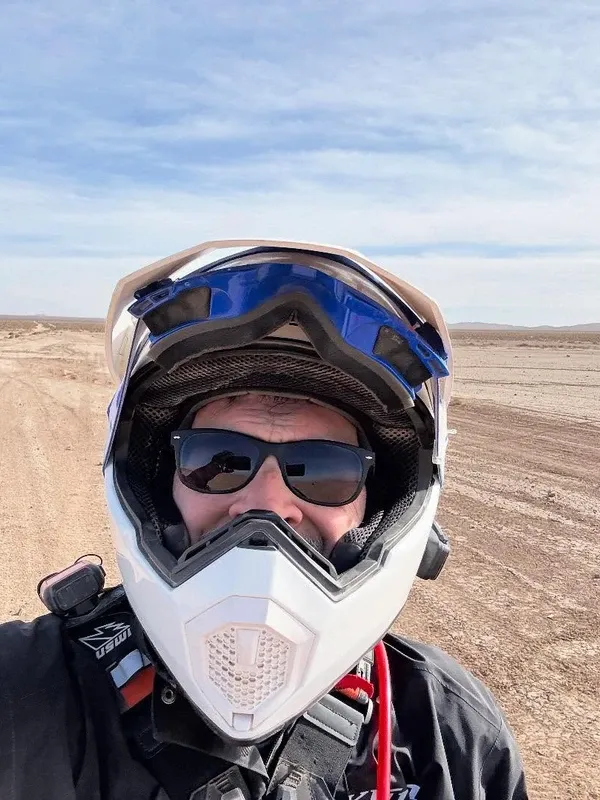
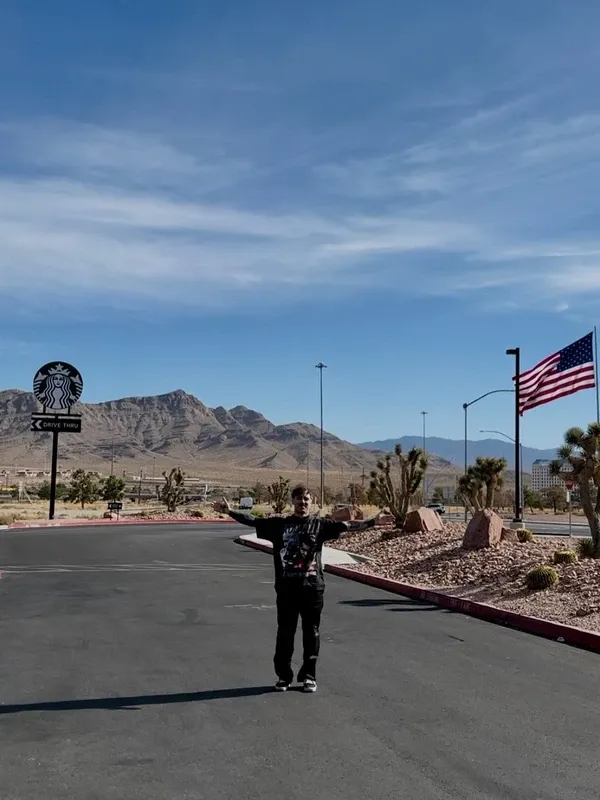
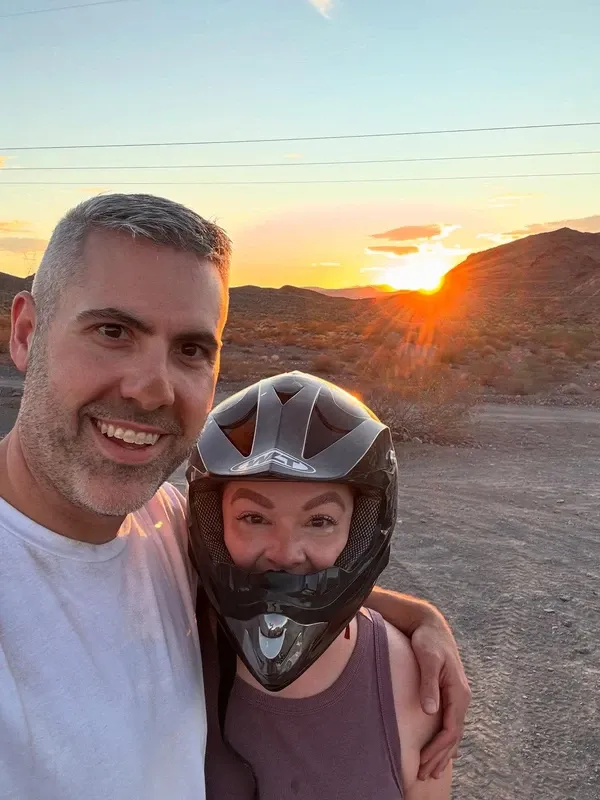
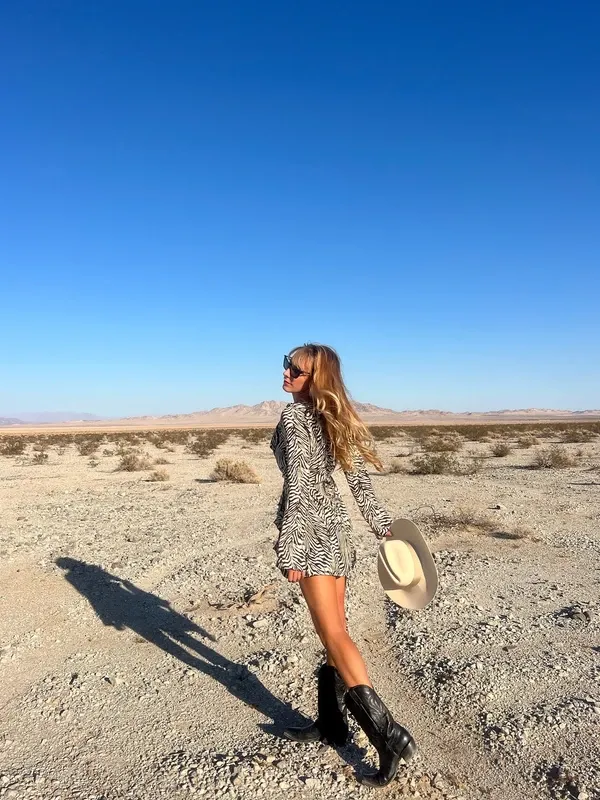
Read what travelers share about their experience visiting Mojave Desert — from practical tips to personal highlights.
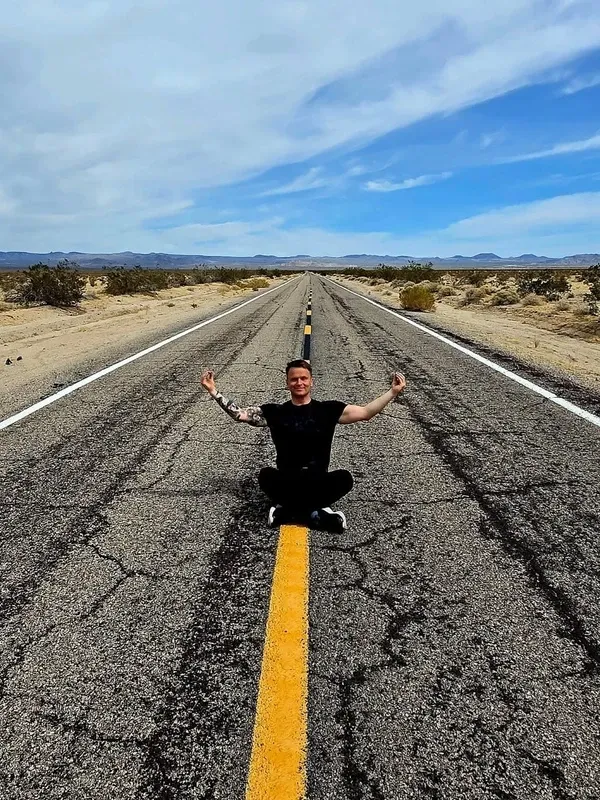
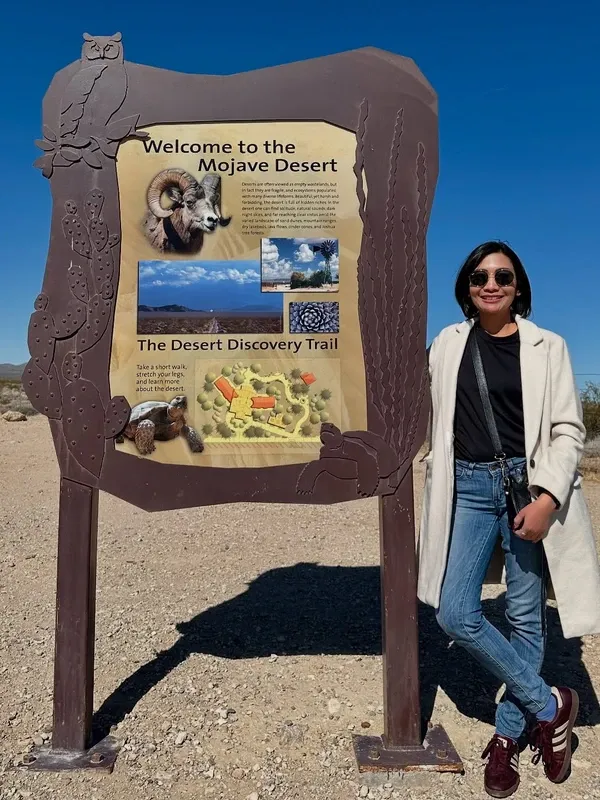
There is no entrance fee to access the 1.6-million-acre Mojave National Preserve. However, camping fees and reservations are required if you plan to stay overnight at developed sites like the Hole-in-the-Wall or Mid-Hills campgrounds.
The most ideal times to visit are during late spring and autumn when temperatures are mild enough for hiking. Avoid the summer months from June through August, as temperatures frequently exceed 110°F (43°C) and make outdoor activities extremely dangerous.
You can drive east from Bakersfield, which covers an 85-kilometer distance in about one hour and four minutes. Alternatively, Greyhound and FlixBus offer direct routes to the town of Mojave starting at $23.99, taking approximately one hour and 50 minutes.
Bring at least one gallon of water per person per day and salty snacks to prevent dehydration. You will also need sun protection, sturdy closed-toe shoes, and warm layers like a light jacket, as temperatures drop drastically after sunset.
There are zero gas stations inside the preserve, so you must completely fill your tank in surrounding towns before entering. Cell phone service is also largely non-existent, making it essential to carry a physical paper map or a dedicated off-road GPS device.
Many trails within the Mojave National Preserve are unmaintained with uneven gravel, sand, and loose rock. However, nearby areas offer accessible options, such as the wheelchair-accessible Crystal Boardwalk in the Ash Meadows Wildlife Refuge, located about one hour from the northern Mojave.
Yes, permits are required for group recreation involving more than seven vehicles or 25 people. Applying for this permit incurs a $91.00 fee, while special events like sports races require a permit with a $128.00 fee.
All outdoor areas of the preserve are open 24 hours a day, 365 days a year. The Kelso Depot Visitor Center is currently closed for renovations, but the Headquarters Information Center in Barstow is open Monday through Friday from 8:00 am to 4:30 pm.
Browse verified tours with free cancellation and instant confirmation.
Find Tours