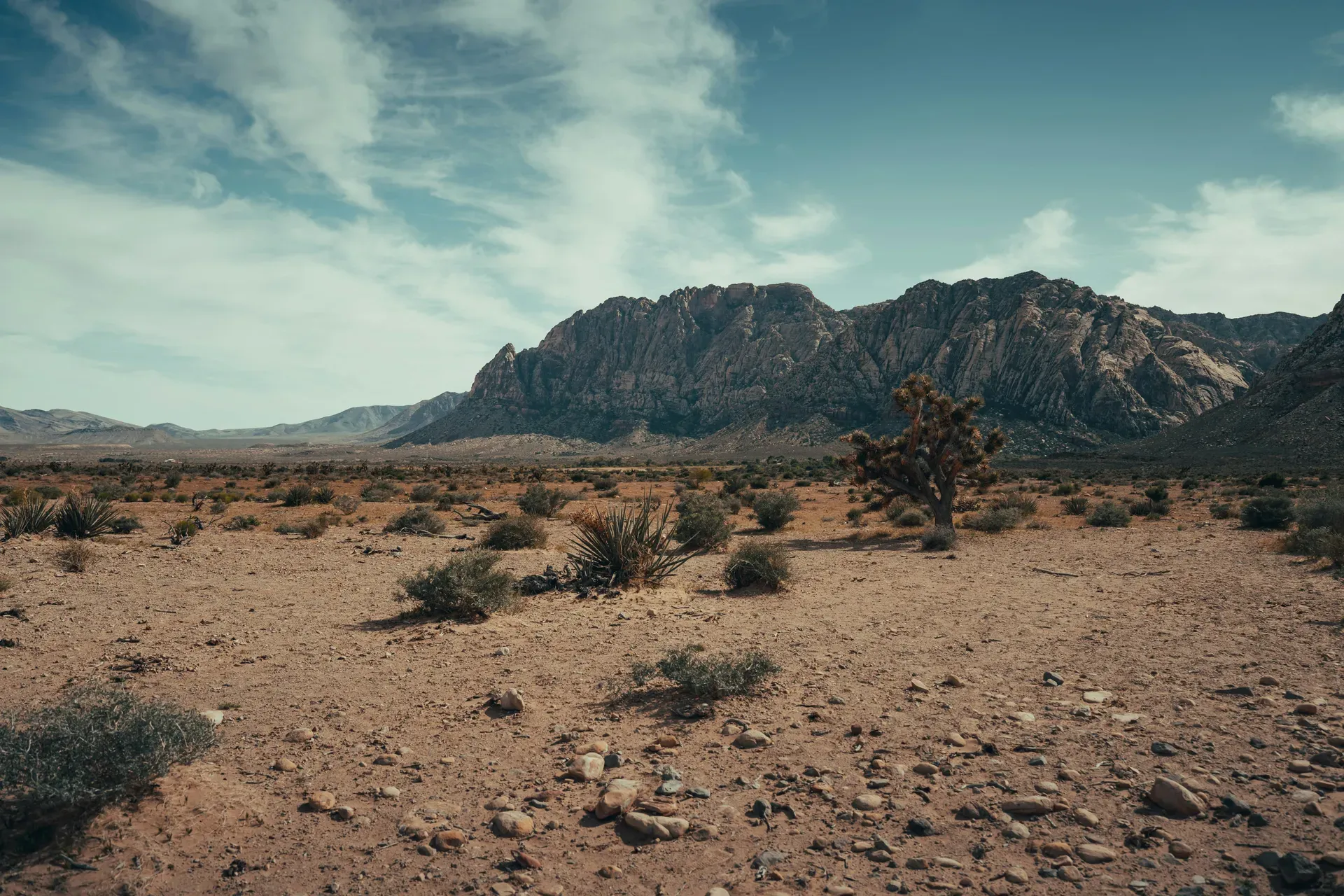
Mojave National Preserve charges no entrance fee, keeping its outdoor areas open 24 hours a day, 365 days a year. Severe weather conditions, such as winter snows at higher elevations, are the only factors that temporarily restrict access.
Outdoor areas of the Mojave National Preserve are open 24 hours a day, 365 days a year. The Kelso Depot Visitor Center is currently closed for extensive renovations. Visitors needing in-person assistance must visit the Headquarters Information Center in Barstow during standard weekday operating hours.
| Day | Hours | Note |
|---|---|---|
| Monday–Friday | 00:00–24:00 | Park access is 24/7. Barstow Headquarters Information Center is open 08:00–16:30. |
| Saturday–Sunday | 00:00–24:00 | Park access is 24/7. Barstow Headquarters Information Center is closed. |
The preserve operates 365 days a year without scheduled holiday closures for outdoor areas, trails, and campgrounds. Severe weather dictates the only physical access restrictions. Infrequent winter snows occasionally render unpaved roads in higher elevations completely impassable.
Entry to the Mojave National Preserve is completely free for all visitors. You do not need a pass to drive through or hike the 1.6 million acres. Fees only apply if you plan to camp overnight at developed sites or need special permits for large groups and commercial activities.
General admission to the Mojave National Preserve is always free 24 hours a day, 365 days a year.
Planning your visit to Mojave Desert? Find tours with free cancellation and skip-the-line options.
View All ToursLate spring and autumn are the best times to visit the Mojave Desert due to mild temperatures. Late spring delivers wildflower blooms across the desert floor and dunes, while autumn provides safe daylight hours for hiking. Summer months bring dangerous heat exceeding 110°F, keeping most visitors away, whereas winter introduces freezing nights and occasional mountain snow.
A full weekend of two to three days allows enough time to cross this 1.6-million-acre expanse. Single day-trips work for targeted stops, but driving between isolated sites like the Kelso Dunes and the lava tubes consumes hours. Cell service drops completely across the basin, forcing reliance on paper maps or dedicated GPS units.
Fill your tank in Baker, Fenner, or Needles before crossing the boundary. The 1.6-million-acre preserve contains zero gas stations. Running out of fuel leaves you stranded miles from help without mobile reception.
Carry at least one gallon of water per person, per day. Temperatures exceed 110°F (43°C) from June through August, making midday exertion dangerous. Eat salty snacks during early morning hikes to replace sweat-lost electrolytes.
Wear light shirts for midday heat, but keep a jacket close. Desert temperatures drop rapidly after sunset, plunging near freezing during winter nights. Sturdy closed-toe shoes protect against sharp cacti and loose volcanic rocks.
Navigate using a paper map or a dedicated off-road GPS device. Cell phone service drops completely across most of the desert. Leave your exact itinerary with a contact person before driving out of range.
Stay on marked trails to avoid unstable, abandoned mine shafts prone to collapse. Mojave Green rattlesnakes and scorpions hide in rock crevices and brush. Shake out your shoes before putting them on.
Mojave National Preserve charges no entrance fee. Access to the 1.6-million-acre park is free, though nearby National Park Service sites may require passes. You cannot buy national park passes within the preserve boundaries.
Outdoor areas remain open 24 hours a day, 365 days a year. Adverse weather like winter snow at higher elevations can make roads impassable. The Kelso Depot Visitor Center is currently closed for renovations, but the Barstow Headquarters Information Center operates Monday through Friday from 8:00 am to 4:30 pm.
Groups exceeding 7 vehicles or 25 people must obtain a special park use permit. The application requires at least four weeks for review and costs $91.00. Special events like sports races or ceremonies incur a higher $128.00 fee.
Zero gas stations exist within the preserve boundaries. Running out of fuel poses a severe risk in this remote landscape where cell service is non-existent. Fill your tank completely in surrounding towns like Baker, Fenner, or Needles before driving in.
Camping requires fees and reservations at developed sites like Hole-In-The-Wall, Mid-Hills, Group, and Equestrian campgrounds. You must bring your own firewood because cutting or collecting any wood, including downed branches, is strictly prohibited. Campfires are restricted to established fire rings or portable firepans.
Drones and unmanned aircraft are strictly prohibited across all land and airspace managed by the National Park Service. Commercial filming or photography for profit requires a permit from the California Film Commission and a $91.00 application fee. Small-scale personal photography with hand-carried equipment needs no permit.
Non-street-legal vehicles, including UTVs, side-by-sides, ATVs, and dirt bikes, are banned. All vehicles operated inside the preserve must meet California street-legal requirements. Out-of-state OHV sticker programs from places like Arizona or Nevada hold no validity here.
Browse verified tours with free cancellation and instant confirmation.
Find Tours